Choosing an HVAC company
How to choose among Denver HVAC companies
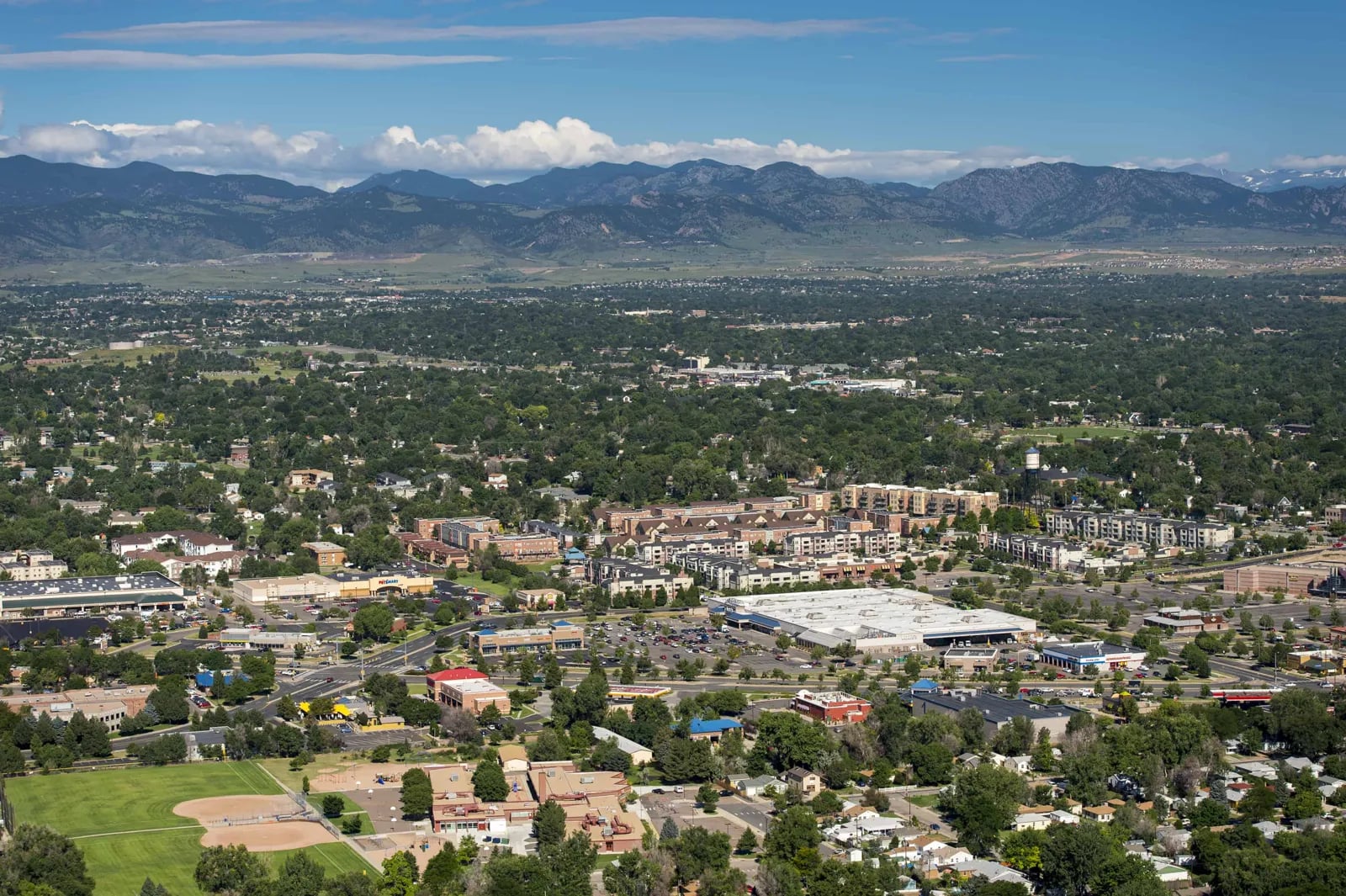
Five checks take about ten minutes and weed out most bad bids: a city license, a permit, sizing, a written bid and the warranty. We install furnaces, air conditioners and heat pumps across the metro; the map shows where.
Share of our jobs
- 1%
- 2–4%
- 5–9%
- 10% or more
- Other towns we serve
Share of our jobs
- 1%
- 2–4%
- 5–9%
- 10% or more
- Other towns we serve
Map data © OpenStreetMap contributors
Before you hire
Five checks for any HVAC company in Denver, including us
A company that already works in your city knows its inspectors and its houses. Start there, then hold every bid to these checks.
A license in your city
Colorado has no statewide HVAC license, so look the company up with your city or county. Denver and Aurora both have public lookups. Wiring for an air conditioner or heat pump needs a Colorado-licensed electrician, which you can check with the state.
Denver contractor license searchAurora contractor lookupColorado electrician license lookup
Ask themWhich city licenses are you under, and under what name?
A permit you can look up
A mechanical permit brings a city inspector out to check the gas, the venting and the connections. The installer should pull it, and in Denver you can find it by your address once it's issued.
Ask themIs the permit in your price, and who meets the inspector?
Sized for your house
The size should come from a load calculation for the whole house (ACCA Manual J). Copying the old unit's size copies its mistakes.
Ask themWill you run a load calculation, and can I have a copy?
A written bid with model numbers
The bid should name every piece by model number and list removal, electrical, duct work and what's left out. Two bids compare only when they cover the same work.
Ask themWhat is not included that I might need?
Startup and warranty in writing
At startup the installer should test the system and leave you the readings. The manufacturer covers parts, often longer if the equipment is registered on time, and the installer covers labor. Get both warranties in writing.
Ask themWhat do you check at startup, how long is your labor warranty, and who registers the equipment?
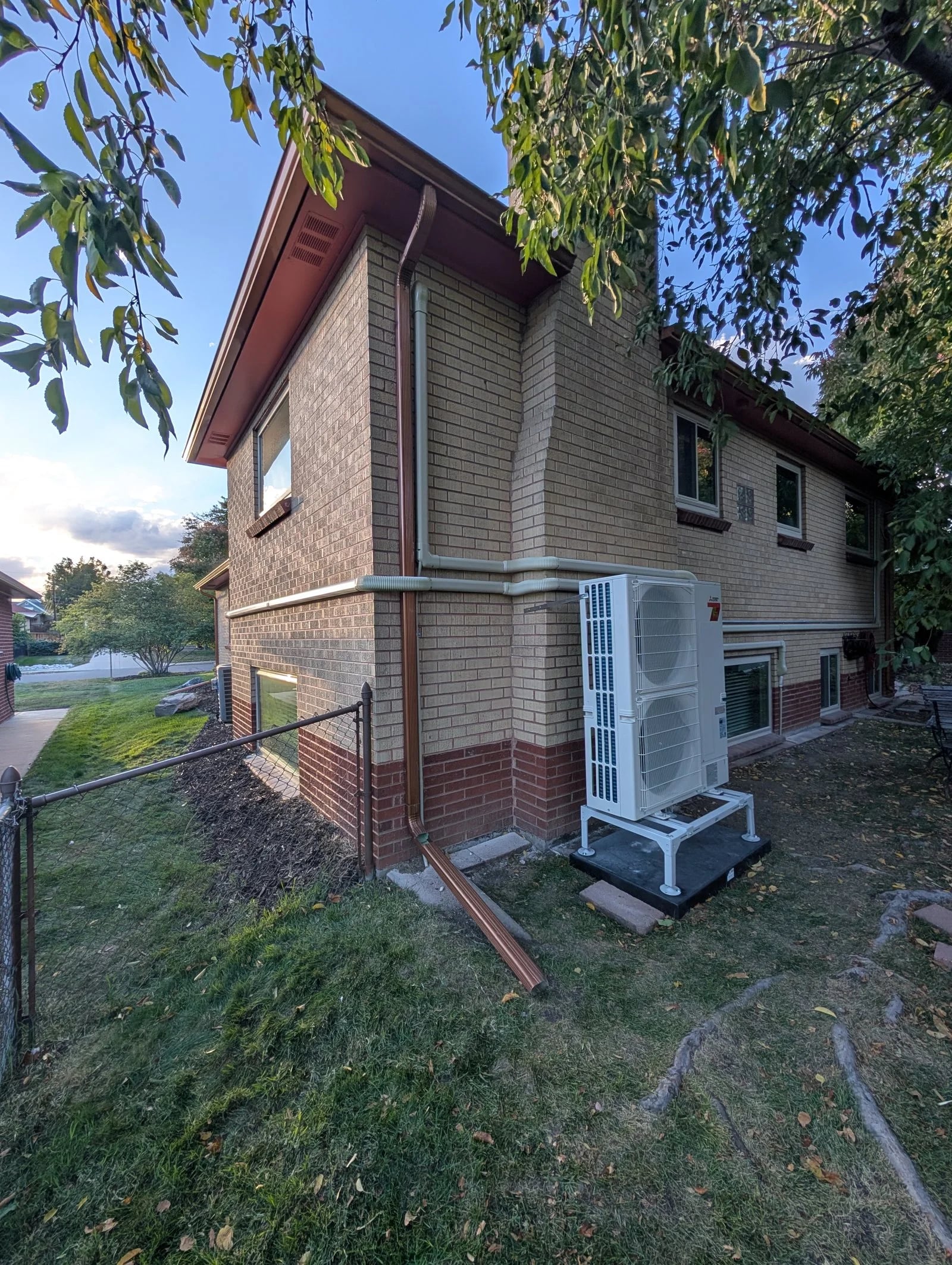
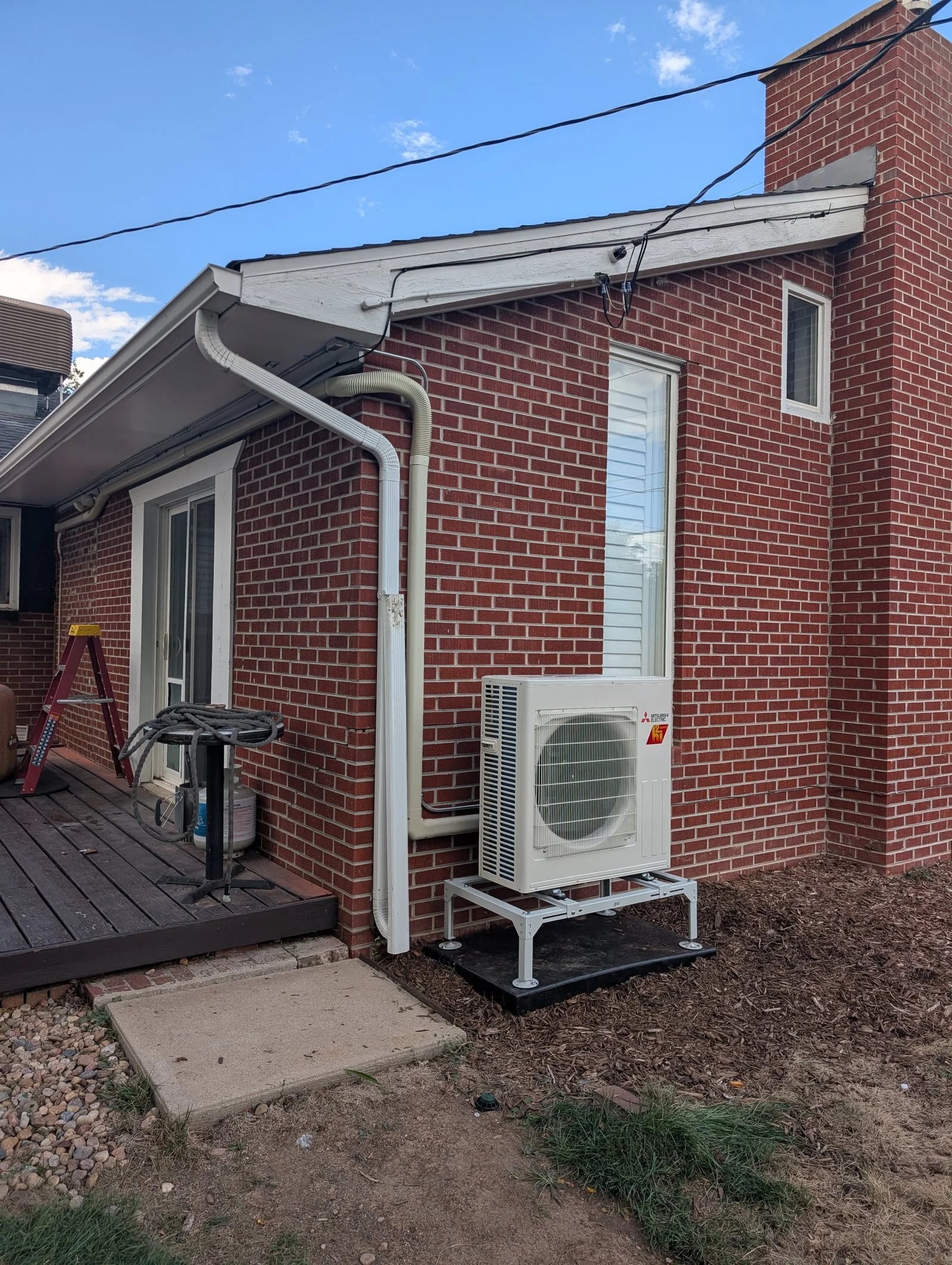
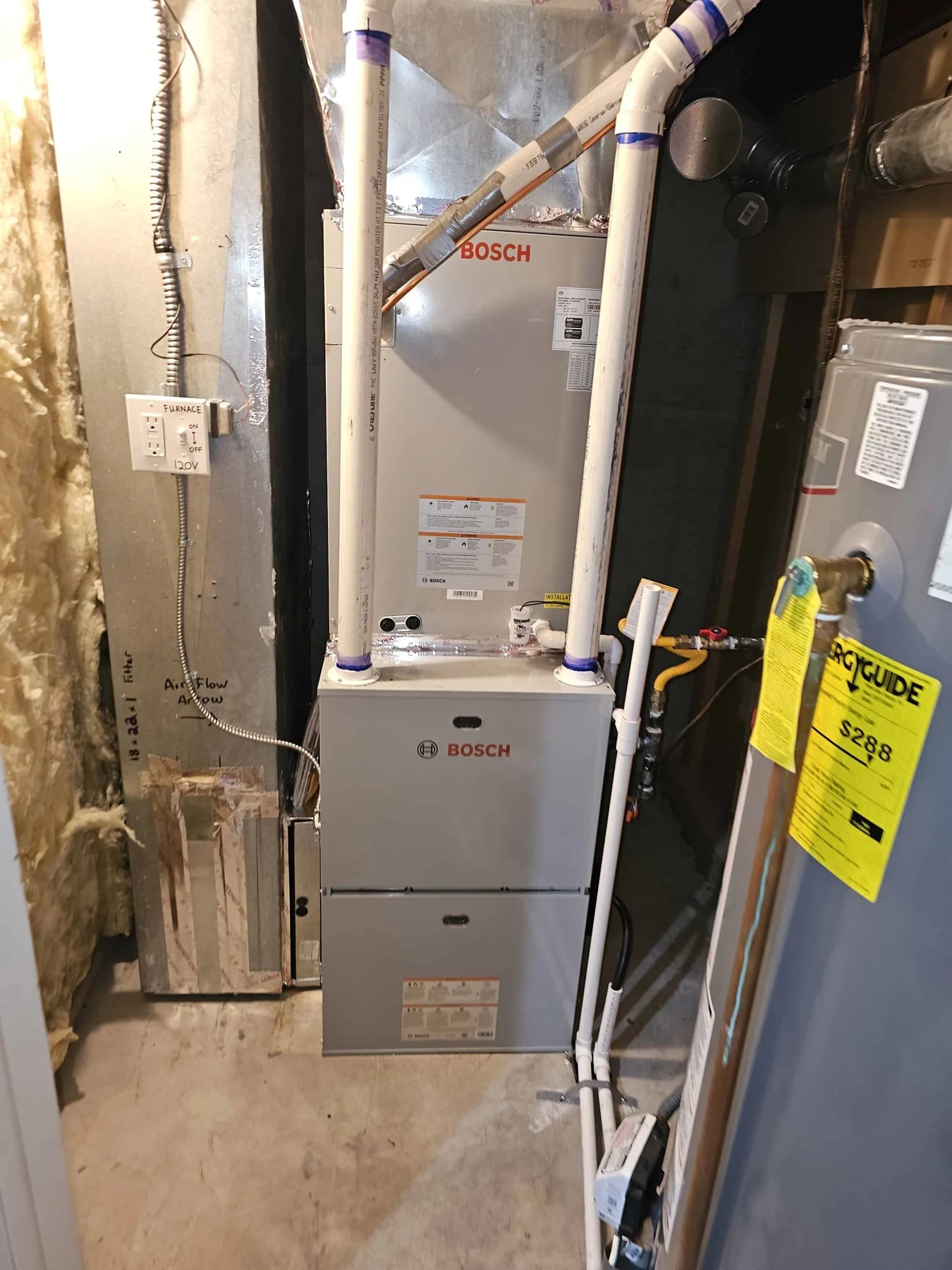
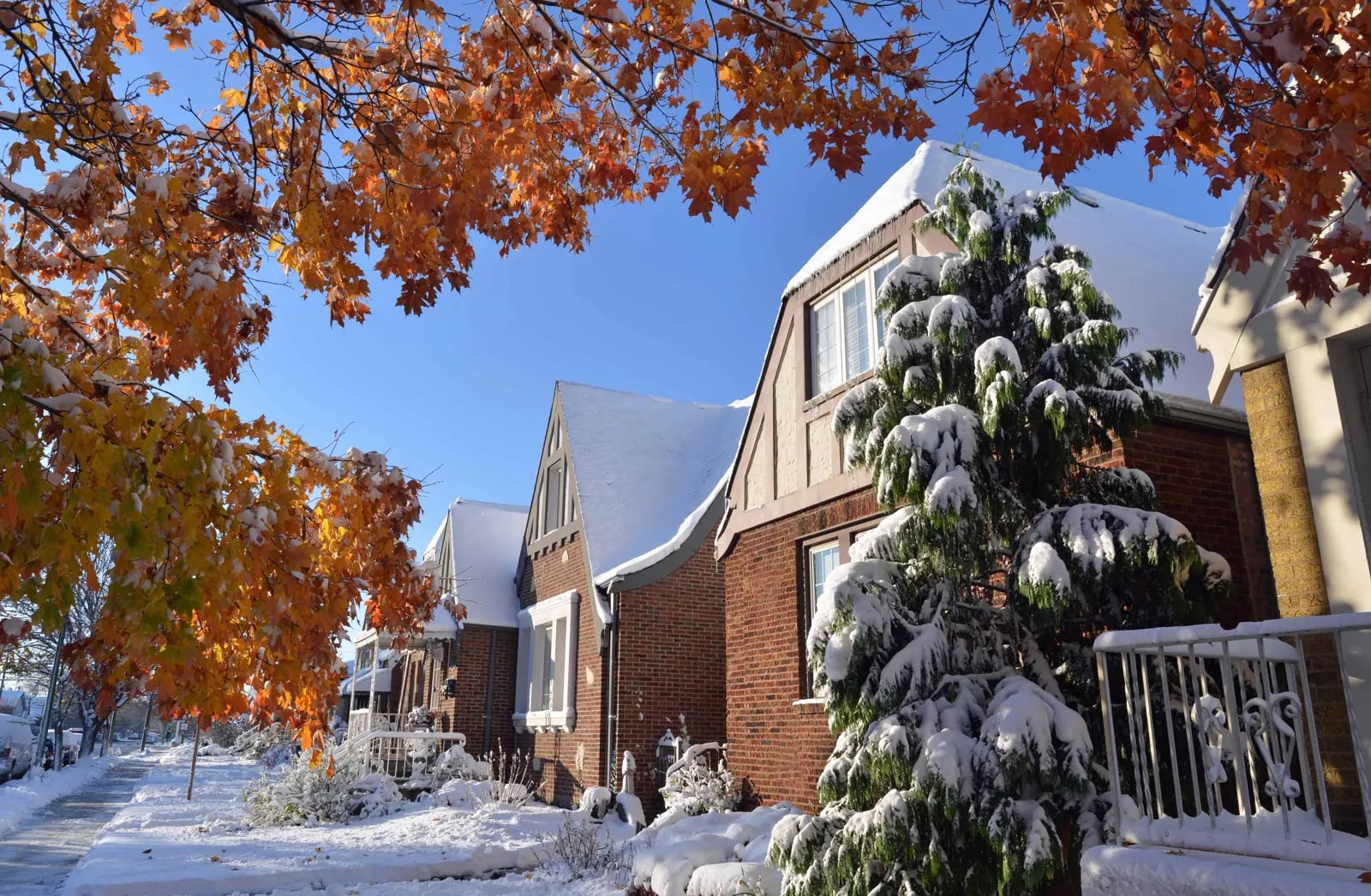
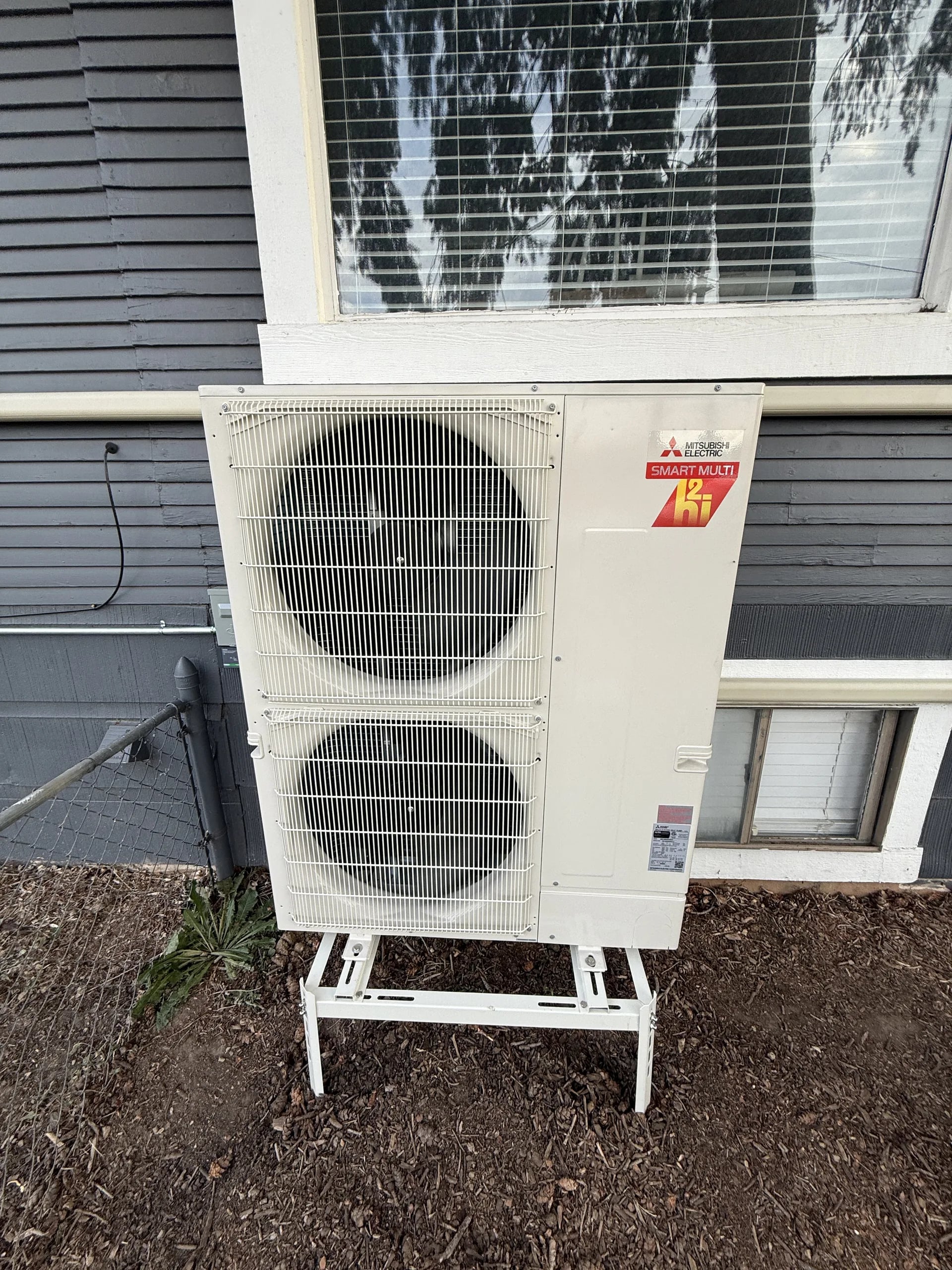
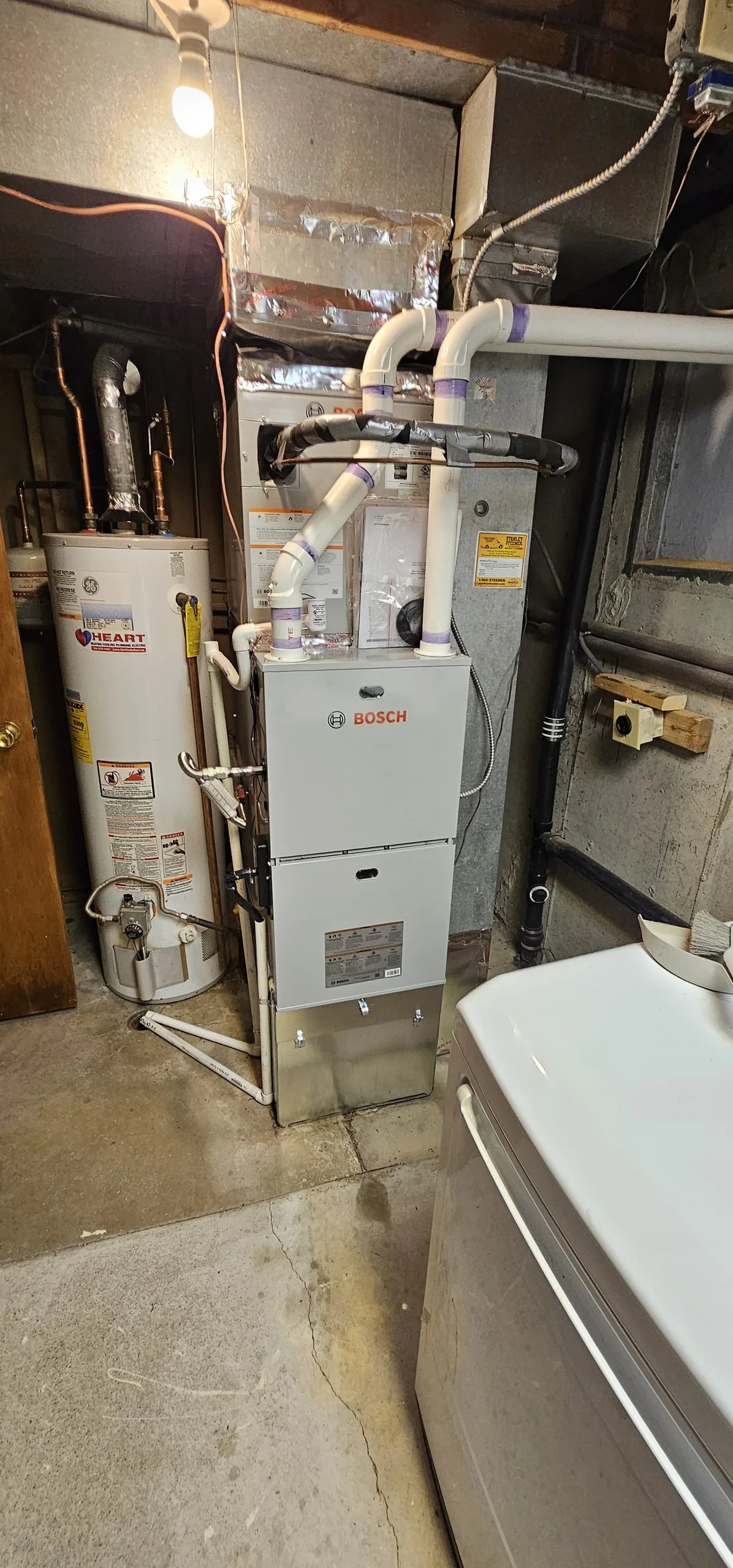
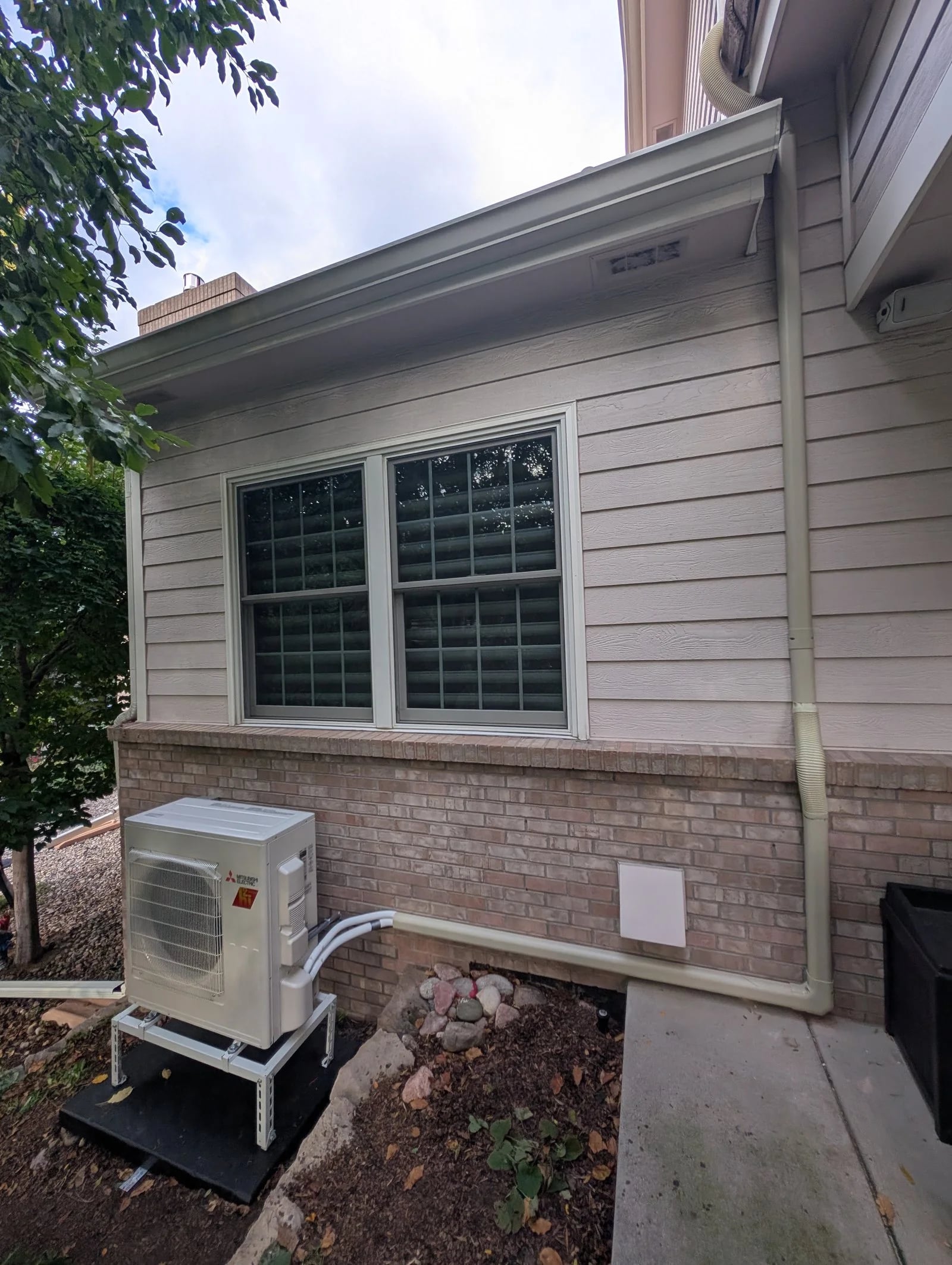
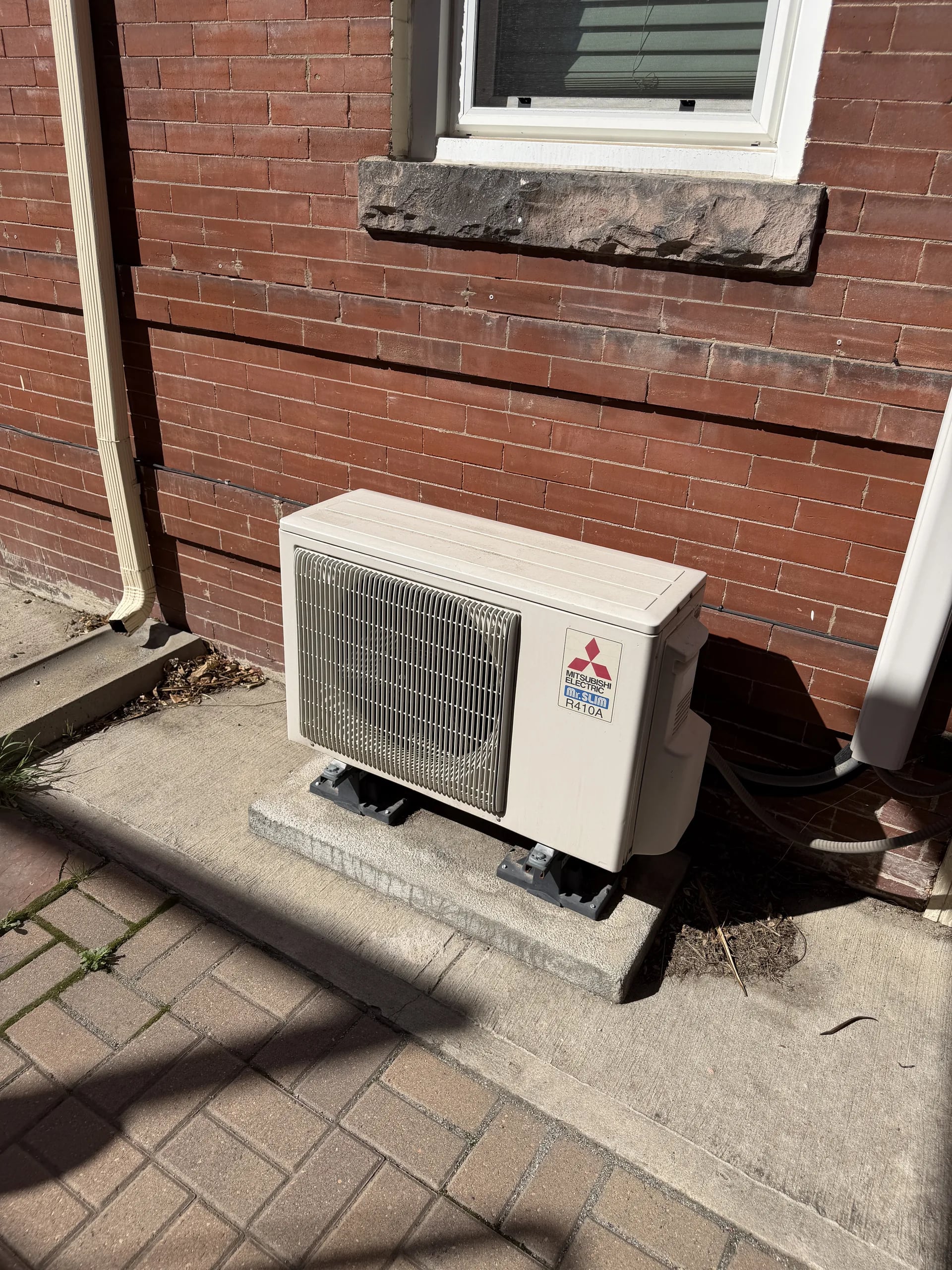
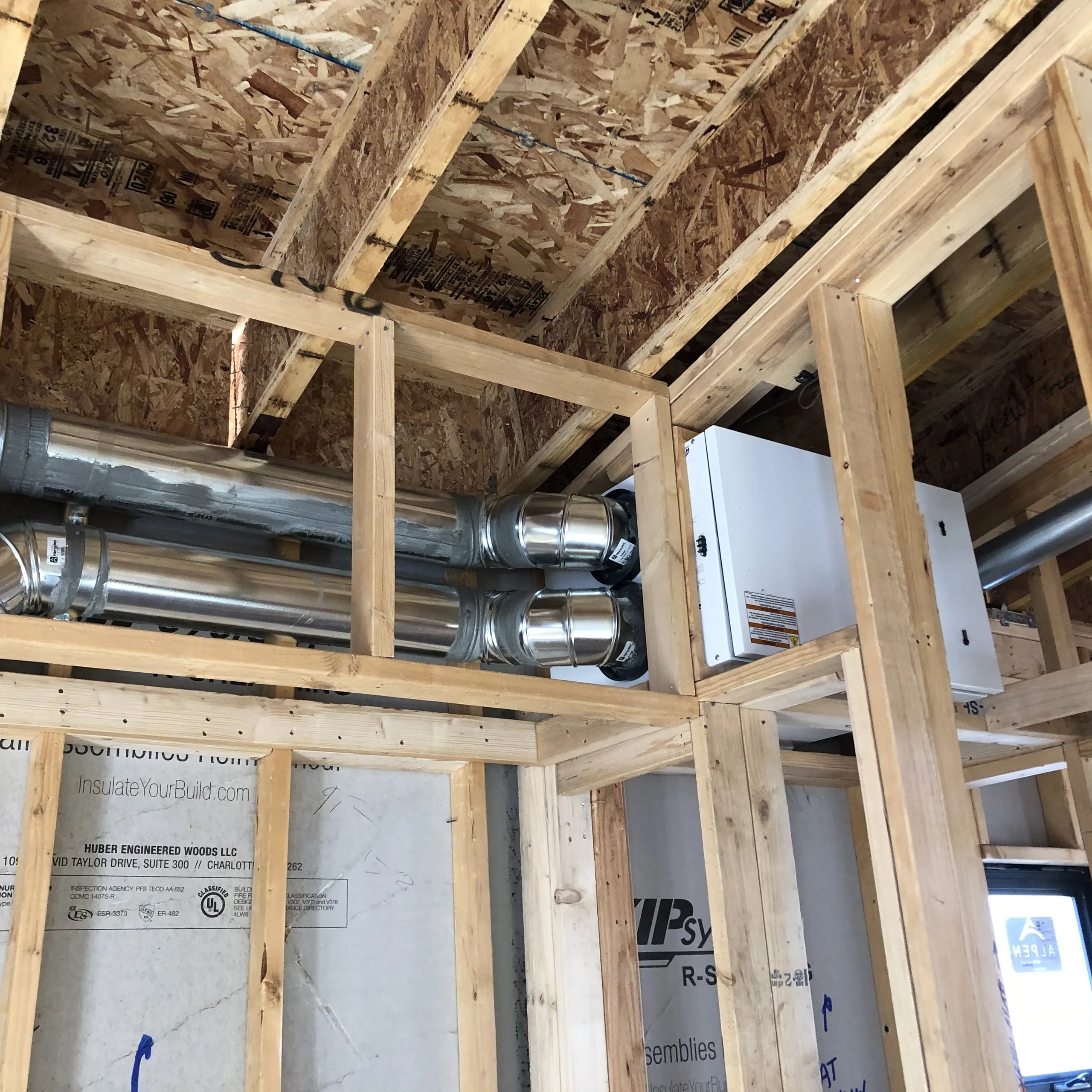
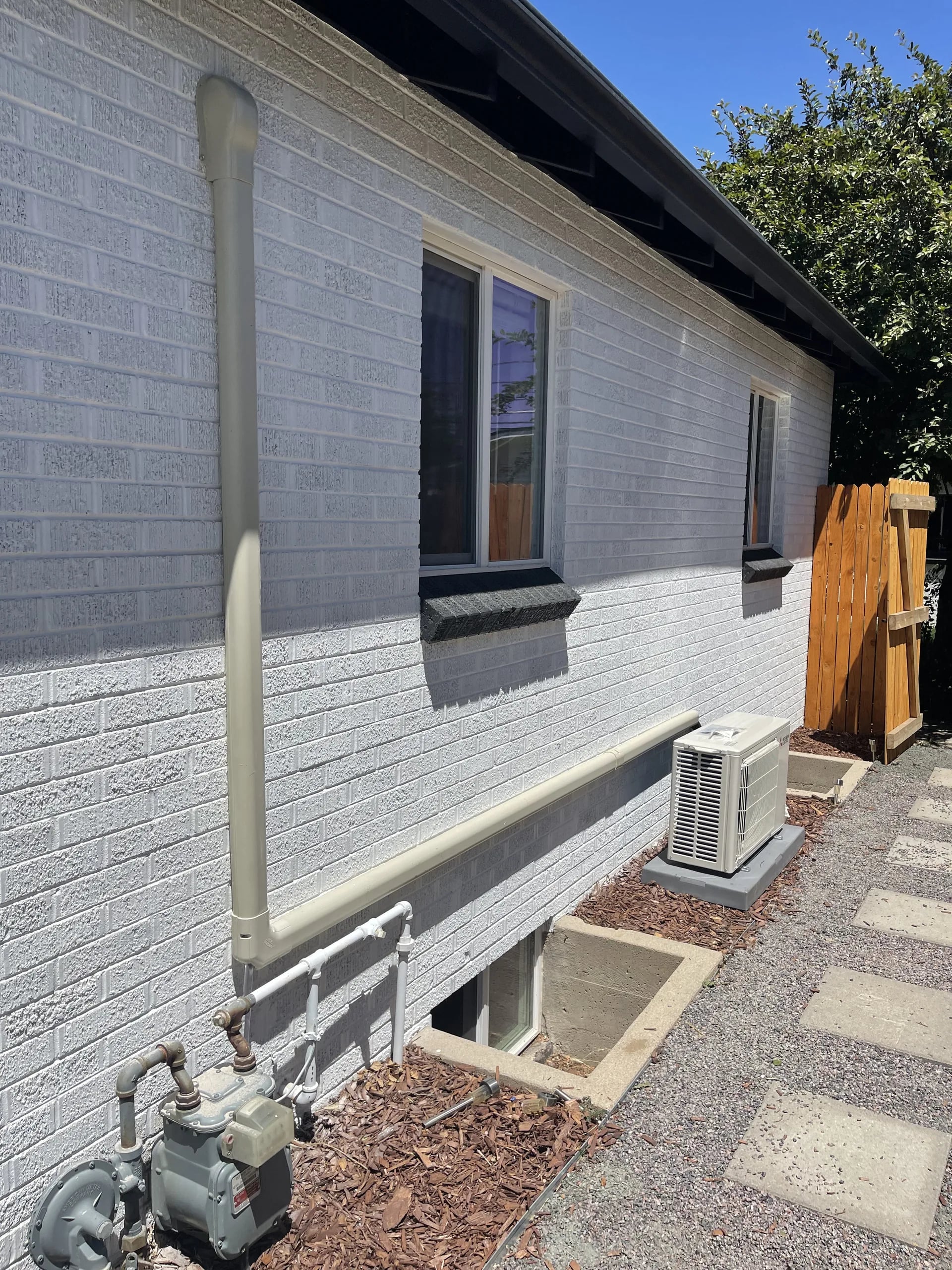
Recent installs around the Denver metro
Send four photos and we will price your house.
We do the estimate and the install. We reply to your photos with a price.
- 1The furnace or air handler
- 2Its label, close up
- 3The outdoor unit and its pipes
- 4The outdoor unit's label